
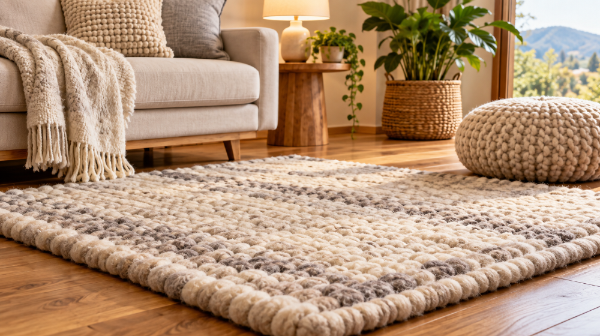
If you have come across the term wollmatten, the simplest explanation is that it refers to wool mats. The German word combines Wolle, meaning wool, with Matten, the plural of Matte, meaning mats. However, the term does not identify one particular product or standardized design. Wool mats can differ considerably in construction, thickness, density, fibre composition, and intended purpose. Some are designed as interior floor coverings, while others may be used as felted materials, protective surfaces, or insulation products. Understanding the material and intended application is therefore more useful than relying on the name alone.
What Does Wollmatten Mean?
In German, Wollmatten is generally understood as “wool mats,” while the singular form is Wollmatte. The term describes a category rather than a particular brand, technology, or manufacturing method. A wool mat may be woven, felted, compressed, tufted, or produced using another textile process.
This distinction matters because two products carrying a similar description can have very different characteristics. A soft decorative floor mat is not designed to perform the same role as a dense wool-based insulation material. When researching a particular product, its specifications, fibre content, dimensions, density, backing, and intended application provide much more useful information than the general term itself.
What Are Wool Mats Made From?
Wool is a natural, protein-based animal fibre produced by sheep. Its main structural protein is keratin. According to Woolmark, the fibre has a complex structure containing a protective outer cuticle and an internal cortex, while its natural crimp contributes to elasticity, insulation, and moisture management.
The exact composition of a wool mat depends on its design. Some products may use predominantly wool, while others can include additional fibres, backing materials, binders, dyes, or other components. Therefore, buyers who specifically want a high-wool-content product should check the complete material specification rather than assuming that the word “wool” means every component is made from wool.
How Wool’s Structure Affects Performance
One reason wool is useful in textile and mat applications is its natural fibre structure. Wool fibres have a characteristic waviness called crimp. This structure creates small spaces that can hold air, contributing to insulation and resilience. Wool can also absorb and release moisture vapour, which is one reason it is described as a moisture-managing fibre.
These characteristics do not mean every wool product will perform identically. The final performance depends on how the fibre is processed and assembled. Thickness, density, weave or felt structure, backing, and surface finish can all influence the result. A thick, dense mat can therefore behave quite differently from a lightweight textile product even when both contain wool.
Common Types and Applications
There is no single universal design for wollmatten, so their applications can vary. Wool-based mats may appear in interior settings as rugs or floor coverings, while felted wool materials can be used for padding, protection, crafts, or other practical purposes. Wool is also used in specialized insulation products.
For example, sheep-wool insulation manufacturers describe wool products designed for thermal and acoustic applications in buildings. This is quite different from a decorative household rug. The important point is to match the construction to the intended job. A product designed for insulation should not automatically be treated as a floor mat, and a decorative floor covering should not be assumed to have technical insulation properties.
Interior Floor Coverings
Wool has a long-established role in interior textiles, including carpets and rugs. Woolmark identifies properties such as resilience, durability, moisture management, and natural temperature regulation as characteristics of the fibre.
A wool floor covering can add texture and warmth to an interior while providing a comfortable surface underfoot. However, performance depends on the specific construction. Fibre content, pile, backing, density, and manufacturing quality all influence how a particular product behaves during everyday use.
Insulation and Acoustic Applications
Some wool products are manufactured specifically for building insulation. Their structure can help reduce heat transfer and absorb sound. Sheep Wool Insulation, for example, describes its products as thermal and acoustic insulation made from sheep’s wool.
This application demonstrates why product specifications matter. Building insulation has technical requirements that differ from those of a household mat. Installation location, thickness, density, moisture conditions, fire performance, and applicable building requirements should all be considered before using a wool-based insulation product.
Potential Benefits of Wool Mats
The benefits of a wool mat depend on its construction and intended purpose, but several characteristics of wool are well documented. Wool is naturally resilient and elastic, allowing its fibres to recover after bending or compression. Its crimped structure also contributes to insulation and helps create a distinctive texture.
Wool can interact with moisture vapour rather than simply behaving like a completely inert surface. It is also a renewable natural fibre because sheep grow new fleeces. Woolmark describes wool as renewable and biodegradable under appropriate conditions.
These properties can make wool attractive for certain interior and technical applications. They should nevertheless be considered alongside the characteristics of the complete finished product rather than treated as guarantees for every mat.
Choosing the Right Product
When choosing wollmatten, start with the intended use. A mat for a bedroom, living room, craft workspace, garden application, or building project may require completely different specifications.
Check the fibre composition carefully, especially if a high percentage of pure wool is important to you. Look at dimensions, thickness, density, backing, surface construction, and manufacturer care instructions. For technical applications, additional performance information may be essential.
Certification can also provide useful information. Woolmark certification, for example, includes testing related to wool content, durability, colourfastness, and other product characteristics, with certification covering certain interior products such as carpets.
Cleaning and Maintenance Considerations
Wool should be cared for according to the instructions supplied with the particular product. There is no single cleaning method that applies to every wool mat because construction and treatment can differ substantially.
Some wool products may be designed for easier washing, while others require gentler cleaning. Woolmark notes that specially treated wool can be made more resistant to shrinkage and suitable for machine washing, but such treatment should not be assumed for every wool product.
For a mat, routine maintenance may involve regular vacuuming or gentle surface cleaning, depending on its design. Spills should be handled according to the manufacturer’s instructions. Excessive moisture, unsuitable detergents, aggressive scrubbing, or inappropriate heat can potentially damage wool or alter its shape.
Sustainability and Material Considerations
Wool is a renewable natural fibre, but calling a wool product automatically “sustainable” oversimplifies the issue. The environmental characteristics of a finished mat depend on its fibre content, processing, dyes, backing, transportation, expected service life, and eventual disposal.
Wool itself is biodegradable under suitable environmental conditions, according to Woolmark. However, a finished mat containing synthetic backing, adhesives, coatings, or blended fibres may not behave like untreated wool at the end of its useful life.
For buyers concerned about environmental impact, examining the complete product composition and expected lifespan is therefore more informative than relying on a simple natural-material label.
What to Check Before Buying
Before purchasing a wool mat, consider whether the product is actually intended for the environment where you plan to use it. Indoor decorative mats, technical insulation products, and protective felt materials can have very different requirements.
Look for clear information about fibre composition, dimensions, construction, backing, cleaning, and intended application. If the mat will be used for a technical purpose, such as building insulation, follow the manufacturer’s specifications and relevant local requirements.
It is also useful to distinguish between natural wool characteristics and claims about a particular finished product. Wool may naturally provide resilience and insulation, but the actual performance of a mat depends on its complete construction.
Conclusion
Wollmatten is a broad German term associated with wool mats rather than one specific product. Wool’s natural crimp, resilience, moisture interaction, and insulating characteristics make it useful in various textile and technical applications. However, different wool mats can vary significantly in composition and construction. The most reliable approach is to identify the intended use first and then examine the product’s material content, design, specifications, care instructions, and applicable certifications. That approach helps ensure that the selected wool mat is appropriate for its particular purpose rather than relying on the name alone.
FAQs
1. What does wollmatten mean?
Wollmatten is a German term generally meaning “wool mats.” It is the plural form associated with Wollmatte, or wool mat, and can describe different wool-based products.
2. Are all wool mats made from 100% wool?
No. Some products may contain mostly wool, while others can include synthetic fibres, backing, binders, dyes, or other materials. Always check the complete fibre and material specification.
3. What are wool mats used for?
Depending on their construction, wool mats can be used as interior floor coverings, felted protective materials, craft surfaces, or specialized insulation products for thermal and acoustic applications.
4. Are wool mats waterproof?
Wool is not waterproof. Its natural fibre structure can resist and manage some moisture, but a wool mat should not automatically be considered waterproof or suitable for prolonged water exposure.
5. How should a wool mat be cleaned?
Cleaning depends on its construction and treatment. Follow the manufacturer’s care instructions rather than assuming that every wool mat can be machine washed, soaked, or treated with ordinary detergents.





One Comment